Most brownstone and rowhouse problems stay hidden until the walls open: failing joists, outdated electrical, a leaking facade, and a DOB requirement that can stop a project cold before it starts. AAA NY Contracting Corp brings DOB permit expertise, landmark compliance knowledge, and FISP facade understanding to every renovation, not just construction experience.
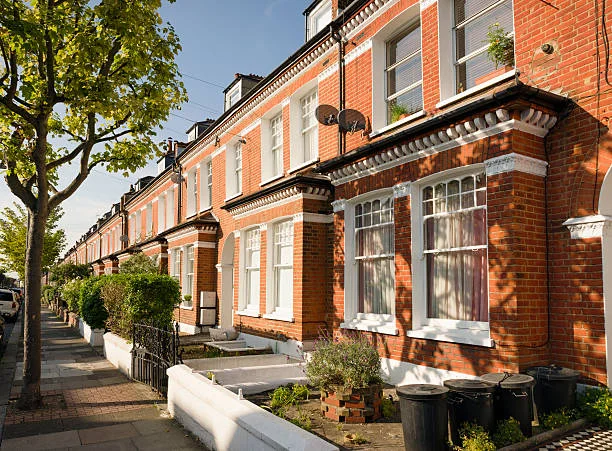
A rowhouse built in the 1890s doesn’t fail the way a modern building fails. The joists sag before they crack. The parging on the party wall holds until it doesn’t. A contractor who only knows how to gut a kitchen misses all of it, and then misses the DOB filing that was supposed to catch it. That’s true whether the building sits in Mott Haven, Longwood, or one of the Bronx’s other historic rowhouse blocks.
We renovate brownstones and rowhouses across the Bronx, NY and file the paperwork that keeps a project legal from permit to final sign-off.
We’ve opened enough old Bronx homes to know the first estimate is rarely the final scope. The basement tells you about moisture. The floors tell you about the joists. The exterior tells you whether water’s been getting in for years. That’s why we inspect before we price.
Most first-time buyers budget for finishes, and structure blindsides them. Here’s what actually determines whether your project stays on budget and on schedule.

Joist reinforcement, floor leveling, beam replacement. A floor built to hold 1890s furniture load doesn’t automatically hold a kitchen island with a quartz slab and six people standing on it. Sistering joists, sizing new steel beams, and leveling floors that have settled two inches over a century is what everything else in the renovation builds on top of. Skip it, and you redo finishes later.

Full mechanical, electrical, and plumbing replacement. Pre-1940 systems weren’t built for central air, induction ranges, or a house full of devices charging overnight. Knob-and-tube wiring doesn’t meet current code.
Galvanized supply lines rust shut from the inside over decades. Cast iron drains crack at nearly every joint by the time a building hits this age, and none of it passes inspection the way it sits.

Repointing, lintel repair, stoop repair, facade waterproofing. Steel lintels above your windows rust, expand, and crack the brick around them, a problem that worsens every winter it’s ignored.
Facade work on a building over six stories often triggers FISP requirements under Local Law 11, which mandates inspection on a set cycle with a repair deadline for anything found unsafe.
Full replacement plus copper flashing. These roofs take on water at every parapet and chimney intersection. Aluminum flashing costs less up front, but copper holds a watertight seal for decades instead of years.

Full gut and finish. Once the structural and mechanical work is done, the interior build-out is the part everyone pictured when they bought the building, and it moves fastest once the hard problems underneath are already solved.
(914) 912-1067
Most brownstone renovations require a DOB filing: either an Alt-1 (change of use, occupancy, or egress) or an Alt-2 (multiple trades, no change of use). Convert a single-family rowhouse into a two-family with a legal rental unit, and you’re filing Alt-1 with a registered architect or PE stamping the drawings.
Gut the kitchens and baths and rewire the whole building without changing occupancy, and you’re likely filing Alt-2.
We pull the permits, coordinate with the registered architect or PE where required, and show up for every DOB inspection. Renovation-only contractors usually hand this part back to the owner, and that’s exactly where projects stall for months once nobody’s tracking it.
If your building sits in the Mott Haven, Mott Haven East, Bertine Block, or Longwood Historic District, it’s landmarked. Any exterior material change needs sign-off from the Landmarks Preservation Commission first. Minor repairs that match existing materials usually just need a Certificate of No Effect. A new stoop, replacement windows, or a rebuilt cornice need something bigger: a Certificate of Appropriateness.
We check LPC status during the initial assessment, early enough that it doesn’t become a surprise later, and coordinate the application so exterior work isn’t waiting on a hearing date nobody scheduled.
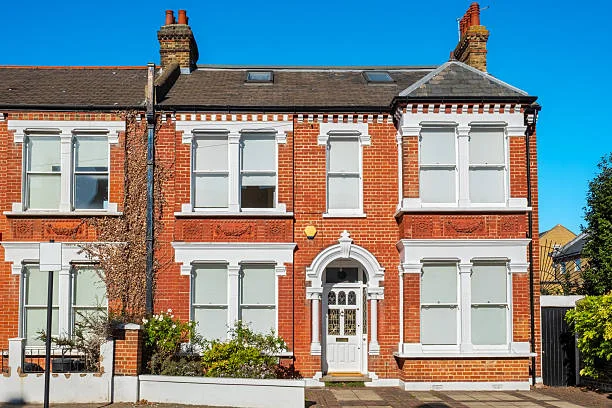
AAA NY Contracting Corp renovates historic homes throughout the Bronx, including Mott Haven, Longwood, Melrose, Morrisania, Port Morris, Highbridge, and University Heights.
Each neighborhood has its own mix of older construction, structural conditions, facade concerns, and permitting requirements. We evaluate every property individually to determine the right renovation approach, required approvals, and construction scope before work begins.
Landmarked or not, the sequence stays roughly the same.
We walk the building and identify structural, mechanical, and facade conditions before we price or file anything.
We confirm which filing applies, Alt-1 or Alt-2, and whether landmark status requires LPC sign-off before exterior work begins.
The registered architect or PE finalizes drawings, and we file and track permits through DOB.
We replace joist and beam work, plumbing, electrical, and mechanical systems first, since everything after this stage builds on top of it.
Facade repointing, lintel repair, stoop rebuild, and roofing happen once the structure and systems behind them settle into place.
Flooring, millwork, kitchens, and baths go in last, once the building’s bones and systems are done moving.
DOB sign-off, and LPC sign-off where applicable, close out the filing before the job is complete.
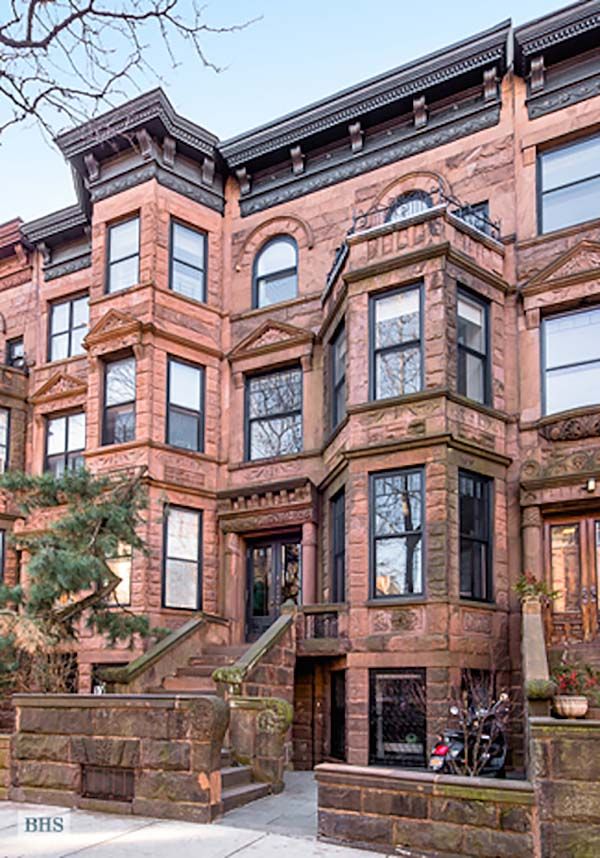
Every brownstone carries a different mix of structural, mechanical, and facade challenges. Because historical conditions hidden behind old walls dictate the actual scope, a generic per-square-foot estimate or flat price tier never matches reality.
Whether a project requires a targeted cosmetic refresh, a partial mechanical overhaul, or a full structural gut with landmark oversight, we build exact cost plans following an on-site walkthrough and a thorough evaluation of unique building requirements.
A number of Bronx rowhouses are co-ops, and a co-op board doesn’t move at a contractor’s pace. Alteration agreements need review before work starts. Residents need notice before demolition starts on the floor below them, and the board almost always wants a certificate of insurance naming the building as additional insured before anyone sets foot inside.
We handle that coordination as part of the job. Skip it, and the alteration agreement sits in a board packet for weeks while your contractor waits on a start date nobody’s chasing.
A cracked lintel gets worse every winter. A sagging joist doesn’t level itself while you wait, and a FISP violation from a deferred inspection stays on the building’s record whether or not you’ve picked a contractor yet.
Contact us at (914) 912-1067 or request an assessment. We’ll walk the building, flag what DOB and LPC will require, and give you a real scope and cost plan before your next season of deferred maintenance costs you more than the fix would have.
Because every historic rowhouse has different structural, mechanical, and facade conditions hidden behind its walls, we do not provide generic flat pricing. Costs are fully customized based on an on-site walkthrough and your building's specific scope.
In most cases, yes. Structural work, MEP replacement, and any change to use or egress typically requires an Alt-1 or Alt-2 filing, and often a registered architect or PE stamp.
Structural correction, MEP replacement, facade work, and interior finish each add time on top of permit approval. A full gut runs longer than a partial renovation, and the exact timeline depends on your building's condition and filing complexity.
If your building sits in a designated historic district like Mott Haven or Longwood, or is individually landmarked, yes. Any exterior material change needs a Certificate of No Effect or Certificate of Appropriateness before work starts.
Yes. We coordinate the alteration agreement process, managing agent scheduling, resident notification, and insurance requirements as part of the project.
Alt-1 covers a change in use, occupancy, or egress, converting units, for example. Alt-2 covers work across multiple trades without changing use. Your project's scope determines which one applies.

A New York general contractor with twenty years of permits pulled and violations cleared across all five boroughs. We’re the firm you call when you need the paperwork done right and the construction held to a higher standard.
Copyright © 2026. All rights reserved.