From brownstone brick pointing to FISP-qualifying parapet repairs in the Bronx, DOB-compliant masonry across all 5 boroughs.

As a masonry contractor in Bronx, NY building owners call when a facade report flags a problem, we know a repair only counts if it actually clears the violation. If you’re on a DOB deadline right now, call us at (914) 912-1067 before reading further.
The same goes for a masonry contractor Bronx NY homeowners bring in for a brownstone that’s been patched wrong before, wrong mortar, wrong technique, and the damage just comes back in a year.
We work on the details that actually matter: matching mortar to the building’s era, sequencing repairs so water has somewhere to go, and documenting everything the way a QEWI inspector or DOB reviewer expects to see it.
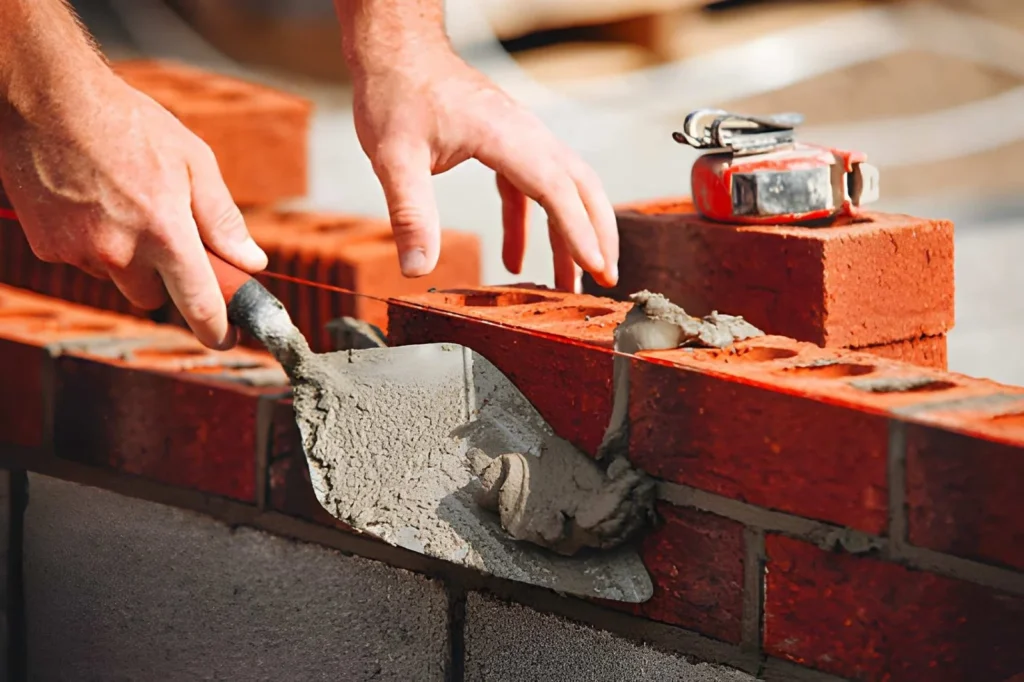
Lime mortar for pre-1930 buildings, Portland cement for anything built after. Brick pointing in NY gets done wrong more often than any other repair on this list, using the wrong mortar is the single most common mistake we get called in to fix.

Often the exact repair a FISP SWARMP or UNSAFE designation requires before a violation clears. Parapet repair work in NY almost always ties back to one of these two designations, which is why we build the repair around what the inspection actually needs, not just what looks fixed from the sidewalk.

Rusting steel lintels expand and crack the brick around them, property owners either catch it early or find it the expensive way

Decorative and structural at once, a failing cornice is both a facade issue and a falling-debris risk.

Cracked or hollow-sounding stucco usually means water’s already gotten behind it.

The last step after any masonry repair, sealing the work so the same failure doesn’t happen again.
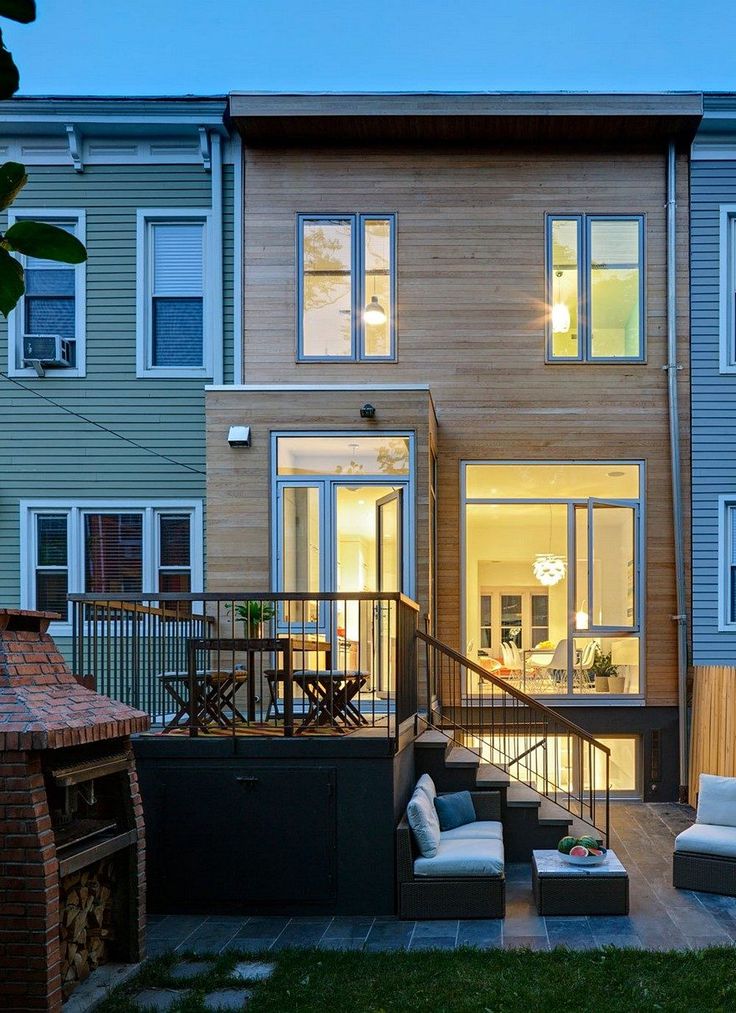
Surface repair, mortar matching, and detail work specific to pre-war brownstone construction. Most brownstone renovation work in NY comes down to getting these two things right: the right mortar and a color match that doesn’t stand out from the block.

Common on older NYC facades, terracotta cracks and spalls differently than brick and needs its own repair approach.

Synthetic stucco systems fail in their own specific ways, usually at seams and penetrations.

Structural masonry below grade, where drainage failure is almost always the real cause of damage.
(914) 912-1067
Most FISP SWARMP and UNSAFE designations come down to masonry, a cracked parapet, open mortar joints or a failing cornice. We perform FISP-qualifying masonry repairs built to satisfy what a QEWI inspector is actually checking for, from mortar joint pointing to a full parapet rebuild.

Builders laid old brownstone brick with lime mortar, not the Portland cement most contractors reach for by default now. Lime’s softer. It flexes a little, lets moisture pass through and evaporate instead of getting trapped.
Portland cement doesn’t do that, it’s harder, and once it’s packed into joints built for something softer, the wall has nowhere for water to go except through the brick itself. That’s when you start seeing spalling, chunks of the brick face popping off, sometimes within a year or two of a “repair” that was actually the problem.
We’ve fixed enough of these jobs to check mortar type before anything else on a pre-1930 building. It’s usually the first question, not an afterthought.
Brownstone color matching is its own headache too, no two blocks of brownstone weather quite the same, and a patch that’s the wrong shade sticks out for years until it finally blends in.
If the building’s landmarked, LPC sign-off adds another step before work starts, and that’s something we flag upfront instead of letting it surprise anyone mid-project.
Nobody wants to hear “it depends,” but with masonry it really does, height matters, access matters, whether the scaffold needs a permit of its own matters.
A small pointing job on a rowhouse stoop is a different animal than repointing four stories of facade from a suspended rig. We’ve seen contractors quote a flat per-foot rate over the phone and then come back with change orders once they’re actually up there. We’d rather just look at it first and tell you a number that doesn’t move later.
Call (914) 912-1067 or request an inspection online. As a masonry contractor, Bronx property owners call for facade violations and brownstone repair alike, we’ll assess the issue, tell you what’s actually causing the damage, and give you a real number before anything starts. If water damage caused the masonry failure in the first place, our restoration services team can trace that back too.
Yes. We handle LPC-compliant repairs and the mortar matching that pre-war brownstone work requires.
Brick pointing fills and finishes mortar joints. Tuckpointing in NY usually refers to a specific two-tone technique that creates the look of fine, tight joints on top of a thicker mortar bed. Most repair work is standard pointing, tuckpointing is more decorative and typically reserved for restoration-grade projects.
Yes, in most cases. Parapet rebuilds, mortar repointing, and cornice repair are common qualifying repairs for SWARMP and UNSAFE designations.
Yes. We inspect the facade, identify what's actually causing the damage, and give you a written scope before any work starts.
Done correctly with the right mortar, 20 to 30 years. Done with the wrong mortar type, it can fail within a few years, which is why matching mortar to the building's era matters more than the pointing technique itself.

A New York general contractor with twenty years of permits pulled and violations cleared across all five boroughs. We’re the firm you call when you need the paperwork done right and the construction held to a higher standard.
Copyright © 2026. All rights reserved.